
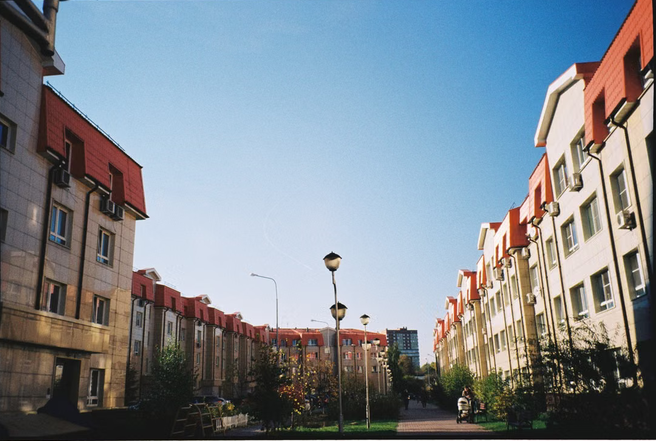
The Buildings That Give Back More Than They Take
For decades, buildings were created mainly to provide shelter, workplaces, and convenience. But today, architects and designers are rethinking what buildings can do. Instead of simply using energy and resources, some modern structures are designed to restore, protect, and support the environment around them. These buildings show that our homes and workplaces can become active parts of a more sustainable future.
Smart Design Begins With Sustainable Materials
The materials behind a building have a major influence on its environmental impact. Choosing renewable, recycled, and low-impact materials can reduce waste and improve a structure’s overall efficiency. Many homeowners and builders are now learning more about greener construction approaches, with resources like https://www.homeandsmart.de/umweltfreundliche-baustoffe-smart-home sharing ideas about eco-friendly materials and smarter building solutions. These choices can help create healthier spaces while lowering the amount of energy and resources needed throughout a building’s lifetime.
Buildings Create Their Own Energy
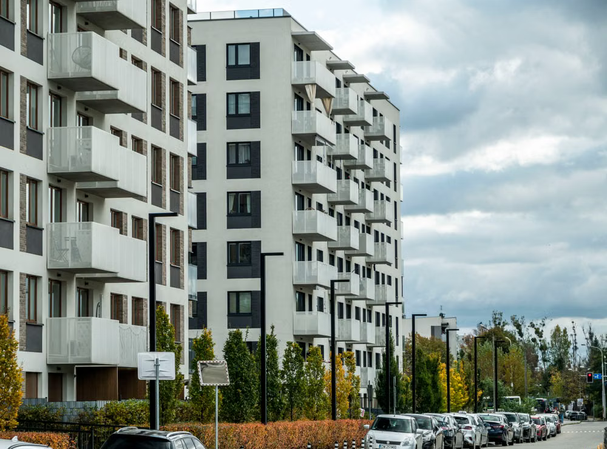
One of the most exciting changes in modern construction is the rise of buildings that can produce their own power. Solar panels, energy-efficient designs, and advanced systems allow some structures to generate electricity instead of relying entirely on traditional energy sources. By using renewable energy, these buildings can reduce emissions and help create a cleaner future. Over time, energy-producing buildings can also lower operating costs while making better use of natural resources.
Nature Is Integrated Into Everyday Spaces
Sustainable buildings are not only about technology and efficiency. Many designs now include gardens, green roofs, and natural landscapes that connect people with nature. These features can help control temperatures, manage rainwater, and improve air quality. Adding plants and natural elements also creates more relaxing environments, making buildings feel less separate from the world around them.
Smart Technology Makes Buildings More Efficient
Technology plays an important role in helping buildings reduce waste. Smart lighting systems, automated climate controls, and energy monitoring tools allow spaces to adjust based on how they are being used. Instead of heating empty rooms or leaving lights on unnecessarily, smart systems help conserve resources without sacrificing comfort. These improvements make buildings more responsive and efficient.
Buildings Are Now Designed Around Human Health
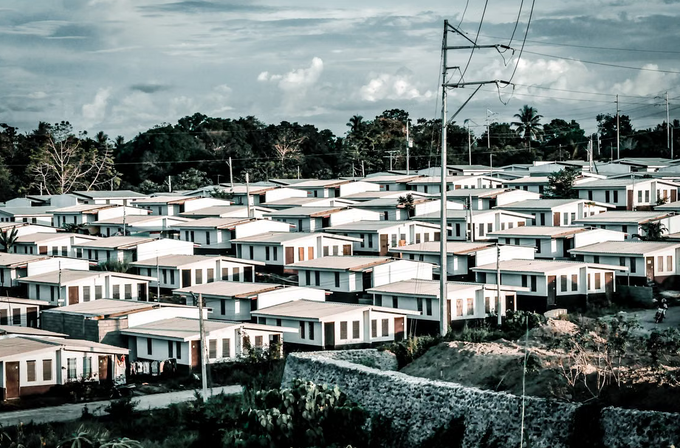
A building that gives back should benefit people as much as the planet. Modern sustainable designs often focus on natural lighting, better ventilation, and comfortable indoor environments. These features can support productivity, relaxation, and overall well-being. The future of construction is not only about creating greener structures but also about designing spaces where people can feel healthier and more connected.
The Future of Architecture Is Restorative
The idea of buildings giving back is becoming more realistic as technology and design continue to evolve. From renewable energy systems to environmentally responsible materials, every part of construction can contribute to a healthier planet. As more cities and communities adopt sustainable practices, buildings may no longer be seen as a source of environmental problems but as part of the solution.
Buildings have always shaped the way people live, but their role is changing. The next generation of architecture will focus on creating spaces that use fewer resources, protect nature, and improve everyday life. By designing buildings that give back more than they take, we can move toward a future where our surroundings work with the environment instead of against it.…